
Roof care is essential for homeowners, especially for those new to the responsibilities of home maintenance. Proper roof care throughout the year can save money, increase home longevity, and enhance safety. Homeowners must understand the vital role roofs play in shielding their homes, making regular upkeep a necessity rather than an option.
1. Why is Regular Roof Maintenance Important?
Regular roof maintenance is vital because it extends the life of the roof, preventing costly repairs and enhancing the home’s overall value. Understanding fundamentals such as the materials used and potential susceptibility to local weather patterns helps in planning effective care routines. A roofing contractor can offer tailored advice according to your specific roof type.
Neglecting roof maintenance can lead to minor issues escalating into severe damage, which can diminish property value and potentially cause safety hazards. Roof leaks, for example, can result in structural damage over time if not addressed promptly. Early intervention by a professional roofer is key to mitigating such risks.
For new homeowners, forming a relationship with a residential roofer ensures timely and regular maintenance checks. These professionals are equipped to spot issues that might be overlooked by an untrained eye. The impact of regular maintenance cannot be overstated as it preserves the integrity and aesthetics of your home.

2. What Should You Look for in a Roofing Contractor?
When selecting a roofing contractor, it’s crucial to verify their experience and qualifications. Research their track record with previous projects, looking for expertise in residential roof installation and roof repair. Communicate with past clients to assess overall satisfaction and the contractor’s ability to meet deadlines.
An essential factor is how well the contractor can answer specific questions about your roof’s unique needs. Ask for details on materials, warranties, and expected timelines for completion of projects. A competent contractor will provide clear explanations and offer guidance tailored to your home’s requirements.
Consider whether the roofing contractor offers local roofing services, as familiarity with local climate conditions can impact the longevity of your roof. Local contractors have a nuanced understanding of community standards and expectations, enhancing the likelihood of quality workmanship. Trust in local roofing services is often built on community reputation and personal referrals.
3. How Often Should You Schedule Roof Inspections?
Determining the frequency of roof check-ups depends on factors such as the age of the roof, type of materials, and weather conditions in the region. Generally, it is recommended to have a professional inspection biannually, ideally in spring and fall. This timing helps preempt seasonal damage and allows for timely interventions.
Pay attention to visible signs like missing shingles, algae growth, or sagging which indicate a need for immediate inspection. Unusual noises during wind storms or noticeable increases in energy bills may also reflect underlying roof issues. When such indicators are present, consulting a roofer promptly is advisable.
Regular inspections performed by a residential roofer can identify potential problems before they result in significant damage. Such preventative measures are cost-effective in the long run, ensuring small repairs are handled swiftly and efficiently. These routine check-ups enhance your roof’s performance and sustain its structural integrity.
4. What Are the Signs You Need Roof Repair?
Common indicators of roof damage include visible cracks, damp spots on ceilings, and unexplained draftiness within the home. Affected areas often extend beyond the exterior; therefore, inspecting attic spaces for mold or water stains is essential. Engaging a roofing contractor early can determine if the issue is superficial or if extensive roof repair is necessary.
While some minor repairs can be addressed through DIY methods, it’s vital to assess the risk and potential for exacerbating the problem. The skill set required to safely and effectively conduct repairs often necessitates professional intervention. A professional assessment ensures repairs are performed accurately and that proper materials are utilized.
Professional evaluations offer reassurance that repairs are completed with precision, leveraging the contractor’s expertise. Moreover, a roofer will have the required safety equipment and training to navigate repair tasks securely. Overlooking proper professional evaluation exposes homeowners to hazards and future costly repairs.

5. How Can You Choose the Right Residential Roofer?
Evaluating residential roofing experience should focus on understanding the roofer’s craftsmanship and materials knowledge. Ensure the roofer holds relevant certifications and insurance, safeguarding your property and confirming their professionalism. Personal recommendations can be invaluable, providing insights into customer service and job satisfaction.
Another critical factor is the importance of local knowledge, which translates into a roofer’s awareness of area-specific challenges. Local roofers bring expertise specific to climate influences that impact roof longevity, offering proactive solutions. Familiarity with local building codes and community standards assists in ensuring compliance and operational ease.
Choosing a residential roofer involves balancing cost considerations while prioritizing quality results. An experienced roofer offers a detailed estimate outlining costs, materials, and anticipated outcomes. Such transparency fosters trust and facilitates informed decision-making regarding roof installations or repairs.
6. What is Involved in a Residential Roof Installation?
Residential roof installation is a detailed process starting with an evaluation of the home’s architecture and roof requirements. The initial step involves stripping the old roof, inspecting the underlying structure for any hidden damage. This is followed by installing underlayment and ensuring proper ventilation for longevity.
The step-by-step process includes choosing suitable materials, whether traditional shingles, metal roofing, or sustainable options, based on aesthetic and functional goals. A knowledgeable roofing contractor provides insights into the advantages and limitations of each material. Customization in line with homeowner preferences ensures satisfaction with the finished product.
Positive installation experiences are predicated on clear communication between homeowner and roofer, with priorities set for quality workmanship. Prompt, transparent responses to inquiries promote peace of mind, underlining that all safety measures and building codes are adhered to throughout the installation. This careful attention ensures a roof that provides reliable performance for years.
7. How Can a Siding Company Enhance Roof Care?
A siding company can play a crucial role in extending a roof’s lifespan by fortifying home exteriors against harsh weather conditions. Siding acts as a line of defense, preventing moisture from seeping underneath roofing materials. This synergy between siding and roofs reduces chances of water-related damage.
Integrating siding with roof maintenance involves periodic checks for wear and damage, similar to roof inspections. The complementary relationship between these two elements ensures comprehensive protection against external adversities. Coordinated efforts ensure that both siding and roof maintenance are streamlined and effective.
Hiring a reputable siding company ensures access to high-quality products that sustain the overall structural health of your home. Their expertise in material choice enhances cohesion in home aesthetics and environmental resistance. Regular siding upkeep, in turn, supports optimal roofing performance and home value.
8. When is Roofing Replacement Necessary?
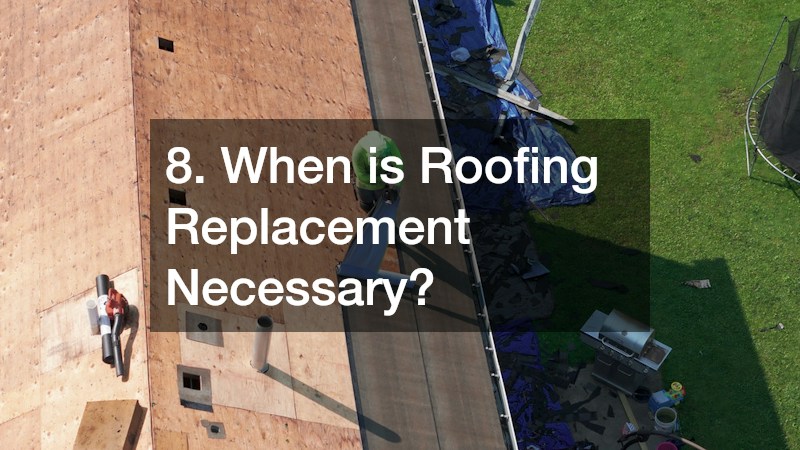
Roofing replacement becomes necessary when extensive damage or age-related wear compromises the roof’s protective capabilities. Indications like persistent leaks, excessive shingle granule loss, and substantial sagging require immediate attention. Consulting with a local roofing services expert offers clarity on replacement timelines and prerequisites.
Factors influencing replacement decisions include material durability, longevity, and potential energy efficiency improvements. Updating to newer, more robust roofing materials can dramatically enhance structural resilience and aesthetic appeal. Calculating potential savings and increased comfort from energy-efficient options is crucial in decision-making.
Assessing roof lifespan involves evaluating historical weather effects, material performance, and previous maintenance routines. A professional evaluation provides an unbiased record of structural integrity and reveals whether repair alternatives are viable. Clear communication with a roofer ensures alignment on priorities, budget constraints, and overall home safety.
9. What Are the Benefits of Hiring Local Roofing Services?
Local roofing services can be highly advantageous due to their familiarity with regional weather conditions, building codes, and material suitability. Local roofers understand how to tailor materials and methods to withstand local climate challenges effectively. This knowledge extends to anticipating seasonal wear and mitigating associated risks.
In addition to climate expertise, hiring locally fosters community trust and builds upon the roofer’s established reputation. Community recommendations and locally upheld standards reinforce the importance of adhering to quality service promises. This long-standing reputation underscores their commitment to client satisfaction and ethical practices.
Supporting local roofing services can contribute to economic growth within the community, working with professionals who prioritize both customer care and civic impact. Engaging with a community-oriented roofer fosters a collaborative relationship ensuring home care aligns with shared regional values. Confidence in local services leads to ongoing support and referral cycles.
10. How Important is Gutter Cleaning Service?
Gutter cleaning service plays a pivotal role in maintaining roof health by ensuring proper drainage and preventing overflow onto roofing materials. Unchecked gutters can lead to water backing up under shingles and damaging roof and structural components. Regular maintenance prevents clogs and minimizes risk of moisture intrusion.
The connection between gutters and roof health is closely linked, as runoff integrity safeguards against ice damming and water retention. Consistent gutter cleaning service ensures your roof remains free from debris buildup that compromises structural vitality. A partnership between roof and gutter care bolsters home longevity against environmental stressors.
Seasonal gutter maintenance tips include inspecting for leaf jams in fall, fixing sections misaligned by wind, and clearing contaminants that may impede flow. Making the effort to integrate gutter maintenance with roofing care fosters a comprehensive approach to home exterior management. Awareness and proactivity form the pillars of sustainable roof and gutter health.
11. What Role Does Siding Play in Home Protection?
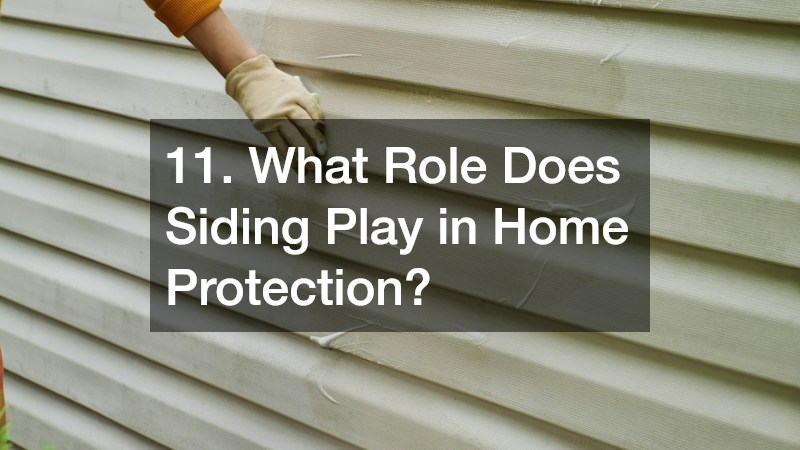
Siding serves a vital role as a barrier against elements, contributing significantly to home protection by deflecting wind, rain, and extreme sunlight. Properly installed and maintained siding mitigates chances of moisture infiltrating into the interior walls. Regular siding assessments maintain its capability to reinforce your roof and structural integrity.
Systematic siding maintenance for optimal protection involves cleaning, checking for cracks or warping, and scheduling timely repairs with a siding company. Leaving issues unattended can lead to greater exposure to weather adversities and eventual siding or roof compromise. Consistent upkeep ensures siding retains its protective qualities and aesthetic charm.
A well-maintained siding system enhances overall thermal efficiency of the home by serving as an additional insulation layer. This role in efficiency complements the roof, forming a cohesive shell that moderates indoor climate. Encouraging such synergy through diligent care practices optimizes comfort and extends building lifespan.
12. How to Balance Cost and Quality in Roof Care?
Balancing cost and quality in roof care necessitates a strategic approach to budgeting, incorporating expected maintenance expenses into annual financial planning. Homeowners should prioritize identifying quality materials and trustworthy contractors, even if initial costs are higher. This upfront investment reduces potential for expensive repairs caused by inferior products.
Collaboration with an experienced roofing contractor ensures access to optimal solutions tailored to your home and financial parameters. Request comprehensive quotes including scope of work and various pricing tiers, detailing material choices and labor. Transparent dialogue over potential outcomes facilitates informed decision-making aligned with homeowner goals.
Investing in quality materials and services translates into long-term savings by enhancing the roof’s durability and reducing the likelihood of frequent interventions. Educating oneself about material performance and accreditation aids in selecting reliable options. Reliance on seasoned professionals for guidance fosters value-driven outcomes and peace of mind.
13. How to Prepare Your Roof for Different Seasons?
Spring and summer preparation tips involve inspecting for winter damage, reinforcing waterproofing systems, and cleaning gutters and downspouts. Ensuring proper ventilation and trimming overgrown branches reduces potential warm-weather damage. A proactive engagement with a residential roofer supports a seamless winter recovery and summer readiness.
Fall and winter readiness strategies center on protective measures against cold temperatures and harsh precipitation. Inspecting and repairing shingles, sealing leaks, and ensuring adequate attic insulation are vital pre-winter tasks. Additionally, scheduling a season-specific inspection ensures problem areas are managed before adverse conditions arise.
Collaborating with local roofing services aids in pinpointing region-specific interventions that align with seasonal transitions. Experienced services understand climatic fluctuations and adjust care plans accordingly. These initiatives guarantee that seasonal shifts are met with tried-and-tested strategies, bolstering your home’s resilience year-round.
Through proactive maintenance, consistent evaluations, and a reliance on expert contractors, homes are secured against environmental challenges, ensuring their lasting presence and value.