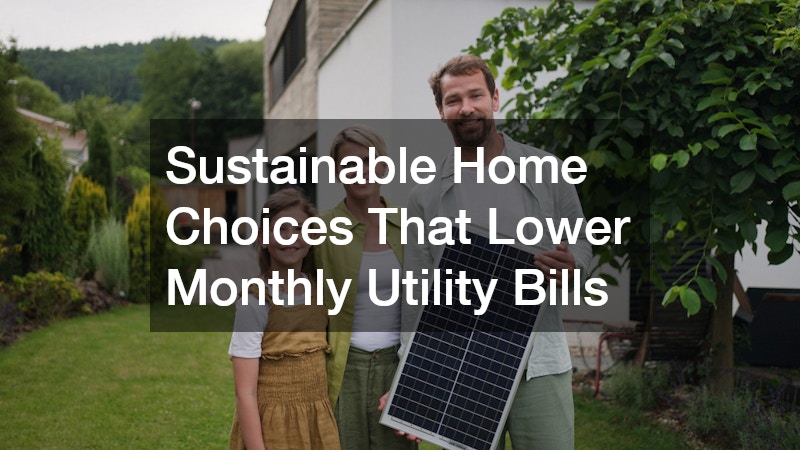
Most homeowners don’t set out to live inefficiently. Rising utility bills usually creep up slowly, masked by seasonal changes or small lifestyle shifts. A slightly hotter summer, a few more loads of laundry, an older appliance working a little harder than it used to—none of these feel dramatic on their own. Yet over time, they add up.
Sustainable home choices aren’t about chasing trends or installing every new gadget. They’re about aligning how your home functions with how you actually live in it. When systems are designed to waste less, last longer, and require fewer emergency fixes, monthly costs naturally stabilize. Comfort improves. Stress drops. And instead of reacting to problems, you spend more time enjoying your home.
What follows is a deeper look at practical, often overlooked ways homeowners reduce recurring expenses by making smarter, more sustainable decisions.
Stop Hidden Water Loss Before It Hits Your Bill
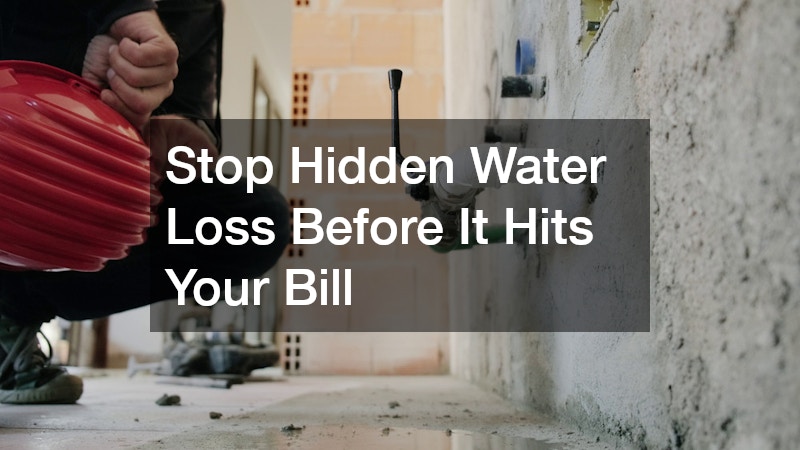
Few things are more frustrating than opening a utility bill and realizing you paid for something you never used. Water loss is one of the most common—and least visible—ways this happens. Unlike a dripping faucet that you can hear or see, hidden water loss often happens silently, out of sight, and day after day. A leaky pipe can quietly waste gallons every day without obvious signs, especially when it’s hidden behind walls, under flooring, or beneath a concrete slab.
What makes this especially problematic is how easy it is to dismiss early warning signals. A slightly higher bill can be blamed on weather, guests, or routine changes. A faint musty smell might be chalked up to humidity or an older home. Meanwhile, water continues escaping, often at a steady rate that compounds over weeks or months.
Homeowners often discover the issue only after:
- A sudden spike in water usage that doesn’t match daily habits
- Warped flooring or damp drywall that seems to appear without explanation
- Moldy smells near cabinets or baseboards that linger despite cleaning
By the time these signs appear, the problem has usually been present for a while. That’s why water loss is so costly—not because of a single dramatic failure, but because of prolonged, unnoticed damage.
From a sustainability standpoint, this kind of loss is pure waste. Treated water requires energy to pump, filter, and deliver, and when it leaks out unused, all of that effort is squandered. From a financial standpoint, it’s even worse because leaks rarely stop at water damage alone. Moisture can weaken structural materials, degrade insulation, and create conditions that force heating systems to work harder as humidity levels rise indoors. In colder months, damp materials also take longer to warm, subtly increasing energy demand.
Catching problems early makes an outsized difference. Pressure monitoring systems can detect abnormal flow patterns long before visible damage appears. Smart shutoff valves can stop water automatically when something seems wrong, preventing overnight or weekend losses from spiraling out of control. Periodic inspections in high-risk areas—such as under sinks, behind appliances, and along exterior-facing walls—add another layer of protection.
Fixing a small problem promptly often saves far more than the repair costs themselves. In many cases, the biggest savings don’t come from advanced upgrades, but from preventing a minor issue from quietly turning into a long-term drain on both your home and your monthly bills.
Upgrade Hot Water Systems for Immediate Energy Savings
Hot water is one of those comforts people don’t think about until something goes wrong. When showers turn lukewarm or energy bills start climbing, the system suddenly gets attention. In many homes, the water heater is one of the biggest ongoing energy consumers—and one of the least optimized.
Older systems struggle with efficiency for a few common reasons:
- Sediment buildup insulates heating elements
- Poor insulation allows heat to escape constantly
- Inconsistent temperature control leads to frequent cycling
You don’t always need a full replacement to see improvement. Many homeowners reduce costs by adjusting temperature settings slightly, flushing the tank annually, or insulating exposed pipes. These small steps reduce workload and extend the system’s lifespan.
One homeowner noticed their system running less often after basic maintenance and a modest temperature adjustment. The hot water felt the same, but the monthly energy bill quietly dropped. Sustainable upgrades often work like that—subtle, but persistent.
Improve Water Quality to Protect Appliances and Efficiency
Water quality plays a much larger role in household efficiency than most people realize. Hard water and sediment don’t just leave spots on dishes; they quietly interfere with how well everyday systems operate. Minerals can coat heating elements, narrow pipe interiors, and restrict water flow, all of which force appliances to work harder and run longer to achieve the same outcome. Over time, that extra effort shows up as higher energy use, slower performance, and shortened equipment lifespans.
Many homeowners first notice the effects indirectly. Showers lose pressure, dishwashers take longer to clean effectively, or washing machines struggle to rinse thoroughly. These issues often seem like normal wear and tear, but in many cases, the underlying problem is what’s flowing through the system rather than the system itself.
This is where water treatment becomes a long-term efficiency tool rather than a luxury add-on. By addressing mineral buildup at the source, homeowners reduce the strain placed on every connected component. Dishwashers heat water more efficiently. Washing machines rinse clean without extended cycles. Heating systems transfer heat without insulating layers of scale working against them. Even plumbing joints benefit from reduced internal stress caused by narrowing and pressure fluctuations.
Instead of constantly replacing fixtures or repairing appliances, treated water allows systems to operate as designed. Maintenance becomes more predictable, performance stays consistent, and minor inefficiencies don’t quietly compound into major failures. Over years of use, that translates into fewer breakdowns, steadier performance, and lower energy demand across the home—without requiring homeowners to continually intervene or adjust how they live day to day.
Make Roof and Exterior Choices That Regulate Indoor Temperatures
Many people try to solve comfort issues by adjusting thermostats or upgrading HVAC systems, but the real problem is often structural. A poorly performing roof allows heat to enter in summer and escape in winter, forcing heating and cooling systems to work overtime.
Experienced roofers often find that homes with high energy bills suffer from:
- Inadequate insulation
- Poor ventilation
- Aging or heat-absorbing materials
Improving roof performance doesn’t just affect temperature—it affects how often systems cycle on and off. Homes with better roof design experience fewer extreme swings, which reduces peak energy usage and prolongs equipment life.
One family noticed that after a roof upgrade, their home stayed noticeably cooler in the afternoon without touching the thermostat. The HVAC system simply didn’t need to compensate as aggressively anymore.
Reduce Pool Operating Costs Without Sacrificing Sustainability
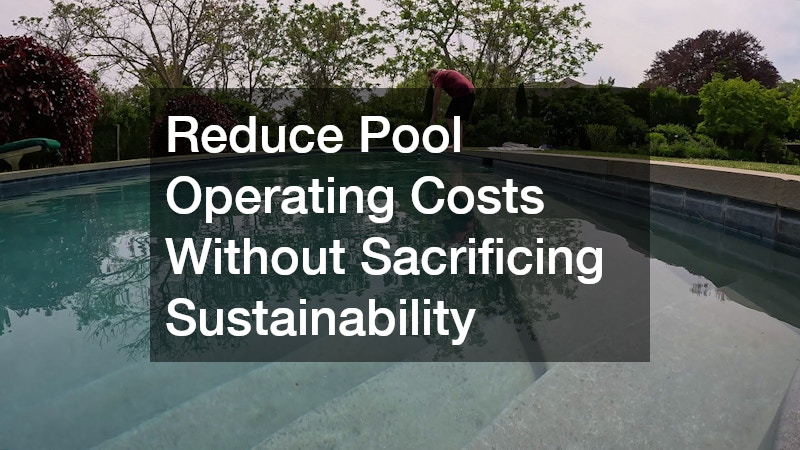
Pools are often labeled as energy hogs, but much of that reputation comes from inefficient equipment and outdated maintenance habits. Many homeowners overcorrect problems with longer pump runtimes and frequent chemical adjustments, unknowingly driving up both energy and water costs.
A knowledgeable pool contractor can help homeowners shift from reactive care to efficient operation. Modern variable-speed pumps, right-sized filters, and optimized circulation schedules dramatically reduce energy use without sacrificing water quality.
Chemical choices matter as well. Organic pool chemicals tend to break down more predictably, which can reduce the cycle of overcorrection that leads to wasted water and unnecessary refills. Sustainable pool care isn’t about doing more—it’s about doing just enough, consistently.
Maintain Pool Systems to Prevent Energy and Water Waste
Neglected systems almost always cost more in the long run. Pools are no exception. What starts as a skipped cleaning or delayed filter change often turns into a chain reaction of inefficiencies. Dirty filters restrict water flow, which means pumps have to run longer just to circulate the same volume of water. Unbalanced water chemistry adds another layer of strain, forcing heaters and circulation systems to work harder to maintain safe, usable conditions. None of this usually causes immediate failure, which is why the cost increase often goes unnoticed at first.
Over time, inefficient circulation allows debris to settle and algae to gain a foothold, further reducing system performance. Pumps running longer hours consume more electricity, while heaters struggle to bring water to temperature because heat transfer becomes less effective. What feels like minor neglect slowly reshapes the entire operating cycle of the pool into something far more expensive than necessary.
A reliable pool cleaning service helps prevent this slow creep in operating costs by addressing problems before they compound. Routine maintenance isn’t about keeping water visually clear; it’s about keeping every component working within its intended range. Filters stay clean, circulation remains balanced, and chemical levels stay consistent, allowing equipment to operate efficiently rather than compensating for preventable issues.
Homeowners who switch from sporadic care to consistent maintenance often notice:
- Shorter pump runtimes because water moves freely through clean systems
- More stable water chemistry that requires fewer adjustments
- Fewer emergency fixes that disrupt both budgets and schedules
The irony is that paying for regular upkeep often lowers overall monthly costs. When systems aren’t forced to compensate for neglect, energy use drops, wear slows, and unexpected repairs become rare. Preventing inefficiency is almost always cheaper than correcting it later, especially when it comes to equipment that runs for hours every day.
Protect Plumbing and Exterior Surfaces With Preventive Cleaning
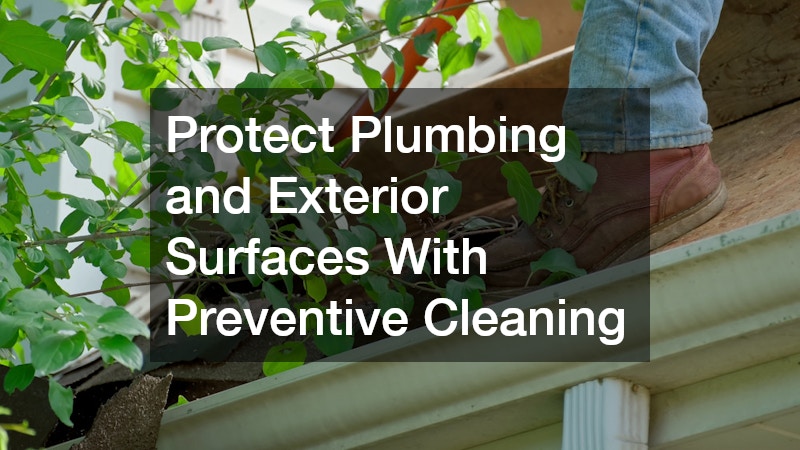
Exterior buildup doesn’t just affect curb appeal. Dirt, algae, and mildew create a layer that holds moisture against surfaces far longer than bare materials would on their own. When that moisture lingers, it slowly breaks down finishes, seeps into seams, and accelerates wear in ways that aren’t immediately obvious. Over time, this can lead to compromised siding, deteriorating walkways, and drainage paths that no longer function as intended, all of which increase the likelihood that exterior issues will begin affecting interior systems.
Moist surfaces also absorb and retain heat differently from clean ones. Darkened or stained areas can trap warmth, contributing to higher surface temperatures that subtly influence indoor comfort. When exterior materials stay damp or overheated, they dry unevenly and degrade faster, increasing the risk of cracks, gaps, and infiltration points where air and moisture can move inside.
Occasional use of a pressure washing service helps prevent long-term damage to siding, walkways, and drainage areas by removing buildup before it becomes destructive. Clean surfaces shed water more efficiently, dry faster after rain, and reflect heat more effectively. This reduces the strain on exterior materials and helps maintain the integrity of barriers that separate indoor and outdoor environments.
Rather than viewing cleaning as cosmetic, sustainable homeowners treat it as protective maintenance. One well-timed cleaning can prevent issues that would otherwise lead to repairs, replacements, or increased indoor humidity. Left unaddressed, those problems often force heating and cooling systems to work harder to maintain comfort, quietly driving up monthly energy use even though the root cause began outside the home.
Use Recycling and Material Reuse to Offset Home Expenses
Sustainable living isn’t only about reducing consumption; it’s also about handling upgrades responsibly. Renovations often generate scrap materials that homeowners discard without realizing their value.
Metal recycling allows old fixtures, appliances, and components to be reused instead of being sent to landfills. While the direct financial return may be modest, it offsets disposal costs and reduces the environmental footprint of home improvements.
Some homeowners plan projects with reuse in mind, choosing materials that can be recycled later. Over time, that approach lowers the total cost of ownership and supports more responsible renovation cycles.
Optimize Independent Water Sources for Lower Long-Term Costs
Homes that rely on private water systems face unique challenges—but also unique opportunities. When designed properly, these systems offer stability and independence from rising municipal rates.
Working with an experienced water well driller ensures that pump sizing, depth, and pressure settings are optimized for efficiency. Poorly designed systems often consume more energy than necessary, erasing potential savings.
Homeowners who invest in proper design and maintenance typically enjoy predictable water costs and fewer disruptions. Over time, that reliability becomes one of the strongest financial advantages of independent water sourcing.
Building a Home That Saves Every Month
Lower utility bills rarely come from a single dramatic upgrade. They’re the result of dozens of small, thoughtful decisions that reduce waste, protect systems, and improve efficiency over time. Sustainable homes aren’t just better for the environment—they’re easier to live in and less expensive to maintain.
When water, energy, and maintenance strategies work together, the home becomes more resilient. Bills stabilize. Systems last longer. Unexpected repairs become less frequent.
The real payoff of sustainable living isn’t just financial. It’s the peace of mind that comes from knowing your home is working with you, not against you, every single month.